Teflon Seals

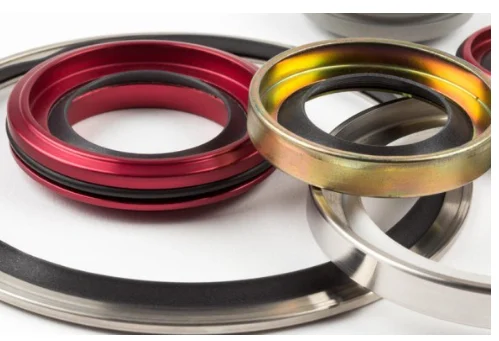
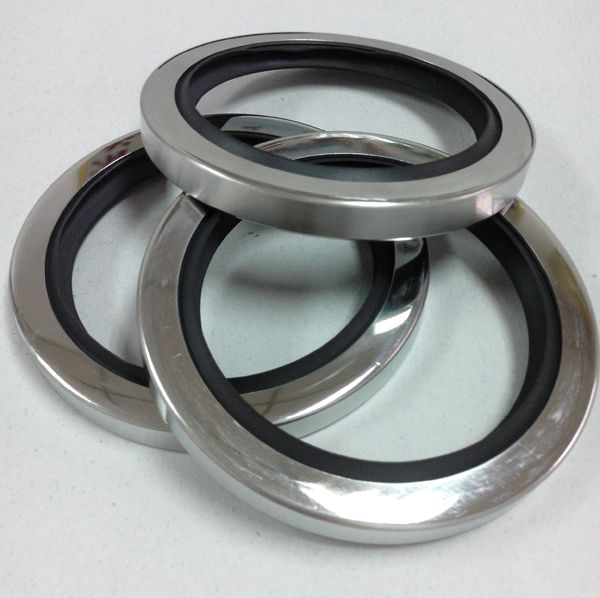
Teflon seals, also known as PTFE seals, utilize Polytetrafluoroethylene, a synthetic fluoropolymer with unique properties, as the primary material for sealing purposes.

Material Composition:

  • Teflon (PTFE): Teflon, or polytetrafluoroethylene (PTFE), is a high-performance polymer. Its chemical formula is

    .

  • Teflon-Filled Variants: These variants combine PTFE with other materials (such as glass fibers, carbon, or graphite) to enhance specific properties.
  • Chemical Resistance: Teflon exhibits remarkable chemical resistance, making it suitable for aggressive environments where other materials might fail.
  • Low Coefficient of Friction: Teflon has the lowest coefficient of friction among known solid materials. This property allows Teflon seals to operate smoothly even under high pressures and speeds.
  • Wide Temperature Range: Teflon can withstand temperatures from as low as –70°C (–95°F) up to +250°C (+480°F).
  1. Machinery and Equipment: Teflon seals find applications in various industries, including automotive, aerospace, chemical processing, and food processing. They are used in pumps, valves, compressors, and other equipment where reliable sealing is critical.
  2. Hydraulic Systems: Teflon seals are commonly used in hydraulic systems due to their chemical resistance and low friction properties.
  3. Chemical Processing: Teflon seals are essential in chemical reactors, pipelines, and valves.
  4. Automotive: They are used in automotive components such as brake systems and fuel injectors.