

Types of Rubber Seals:
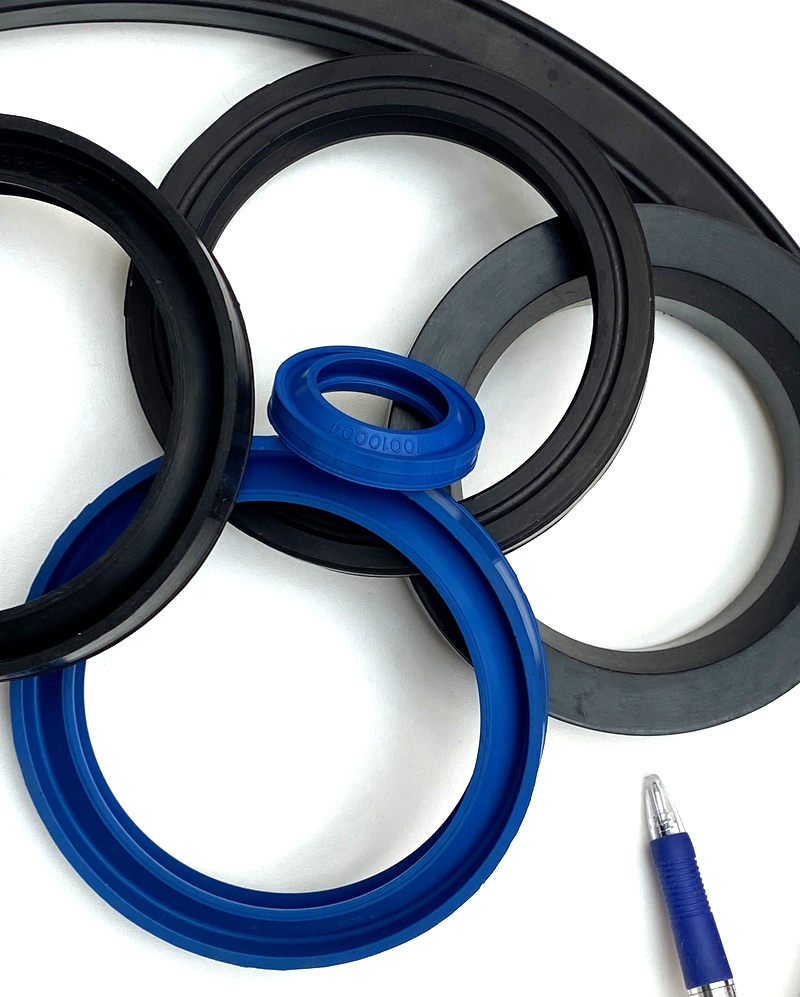
- O-Rings: These are one of the most common types of industrial rubber seals. O-rings rely on mechanical compressive deformation to act as a barrier between mating surfaces, restricting the flow of fluid in predetermined areas.
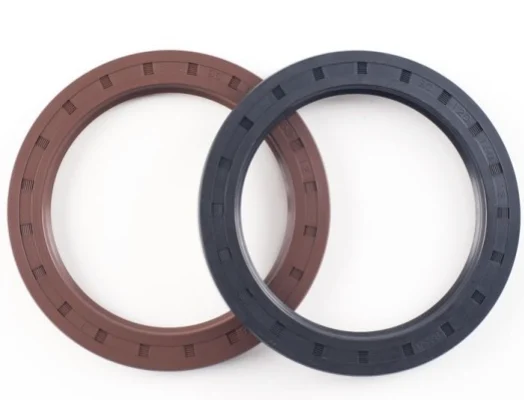
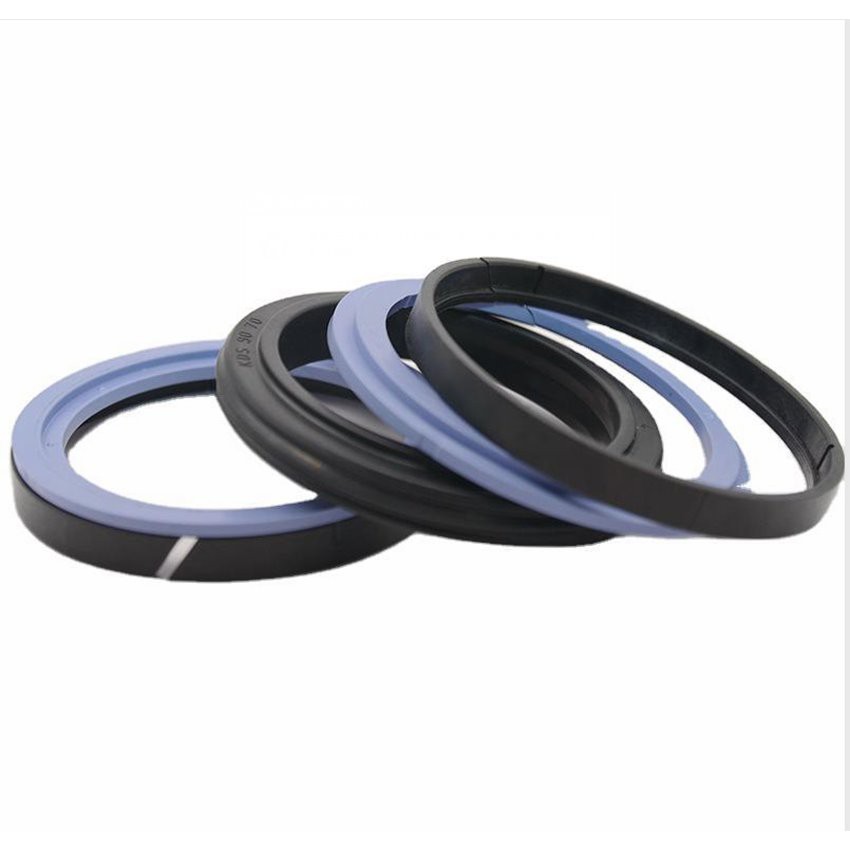
- Radial Lip Seals: These seals are used in applications with lower pressure-velocity (PV) values relative to mechanical face seals. Radial lip seals handle considerable relative motion due to shaft/bore rotation or reciprocation.
Elastomers (or rubbers) are used in mechanical seals to create positive pressure against surfaces, eliminating or controlling the leakage of liquids and gases while preventing the entrance of external contaminants.
Static Sealing: Occurs between adjacent surfaces with no relative motion (e.g., between the pump casing and cover).
Dynamic Sealing: Occurs between surfaces that are continuously or intermittently moving relative to each other (e.g., between the pump casing and shaft).
In mechanical face seals, elastomers provide secondary sealing between the seal faces and adjacent surfaces.
