Lube Filter

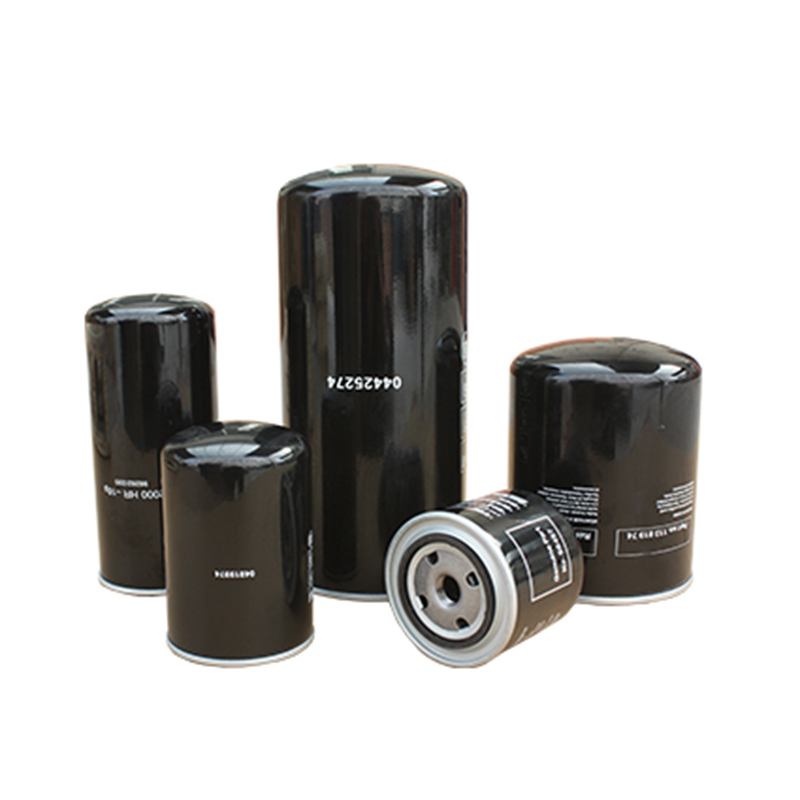
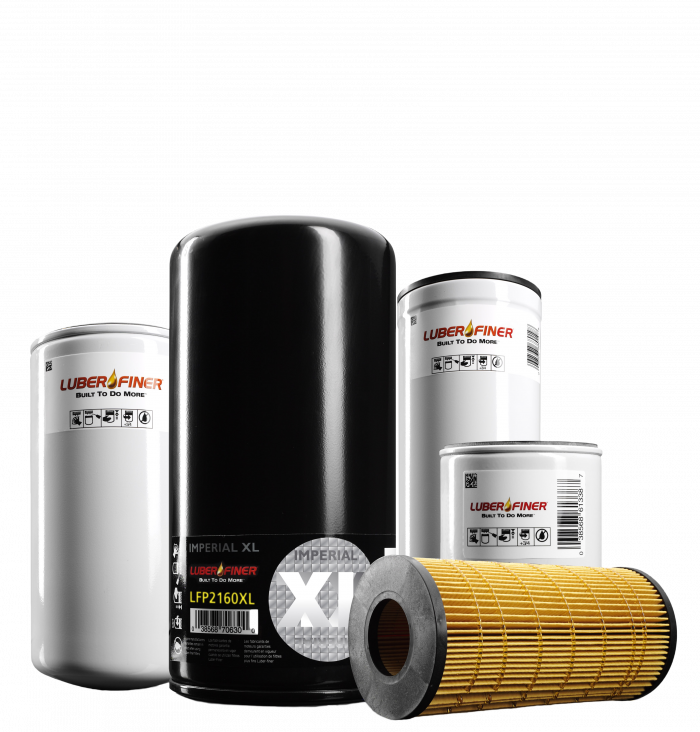
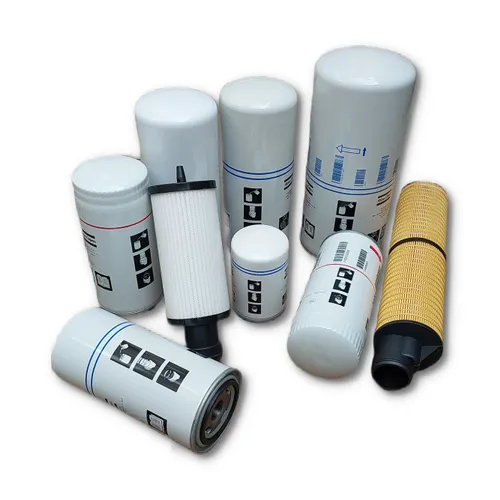
Lube filters are designed to remove contaminants from engine oil, transmission oil, lubricating oil, or hydraulic oil in internal-combustion engines and other machinery. Their primary function is to protect engine components by ensuring clean oil circulates through the system.

Filter Components:

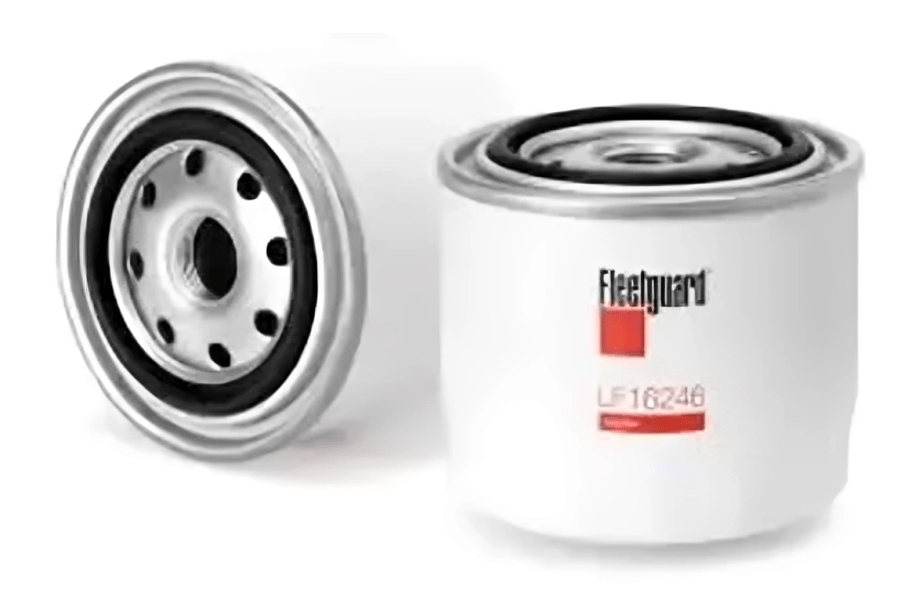
  • Filter Media: Inside the lube filter, you’ll find filter media made from synthetic fibers. The oil pump directs oil to the filter, which enters through holes in the perimeter of the base plate.
  • Filtering Process: The dirty oil is pushed under pressure through the filter media. It captures contaminants such as particles, soot, and impurities.
  • Return to Engine: After filtration, the cleaned oil flows back through the central hole in the filter and re-enters the engine.

Types of Lube Filters:

  • Full-Flow System: In a full-flow system, a pump sends pressurized oil through the filter to the engine bearings. The oil then returns to the sump by gravity. Full-flow filters protect the engine from wear due to abrasion.
  • Bypass System: Bypass oil filter systems are secondary systems. A bleed from the main oil pump supplies oil to the bypass filter. Instead of going to the engine, the oil returns to the sump or oil tank. Bypass filters maintain oil quality by removing dirt, soot, and water. They provide finer particle retention than full-flow filters, preventing large particles from causing damage.
  • Surface Elements: These filters use pleated paper or fiberglass as filter media. The oil passes through one layer of this material, which has a specific pore size rating (usually in the range of 10 to 40 micrometers).
  • Depth Elements: Depth filters are constructed using one of two groups of materials:
    • Absorbent Materials: These include inactive materials like cotton waste, wound paper, cloth, and wood pulp.
    • Adsorbent Materials: These consist of chemically active substances such as Fullers earth, active clays, charcoal, or chemically treated paper.
  • On-Highway Vehicles: Commercial trucks, buses, and other on-highway vehicles benefit from lube filters to maintain engine health during frequent driving and varying conditions.
  • Off-Road Equipment: Construction machinery, agricultural equipment, and mining vehicles rely on lube filters to protect their engines from contaminants.
  • Vocational Vehicles: Specialty vehicles like fire trucks, ambulances, and delivery vans also use lube filters to ensure optimal engine performance.