Hydraulic Filter

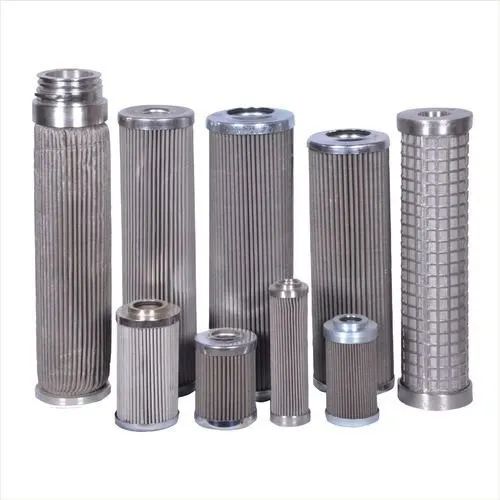
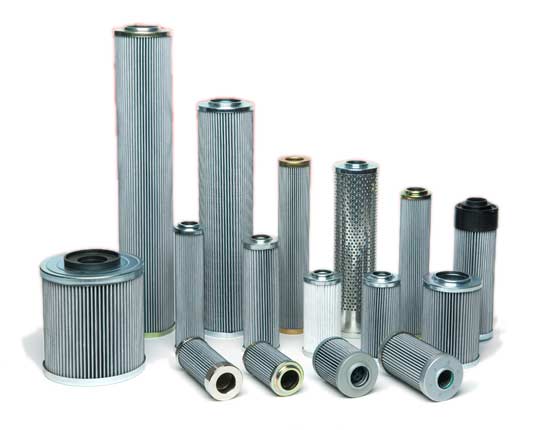
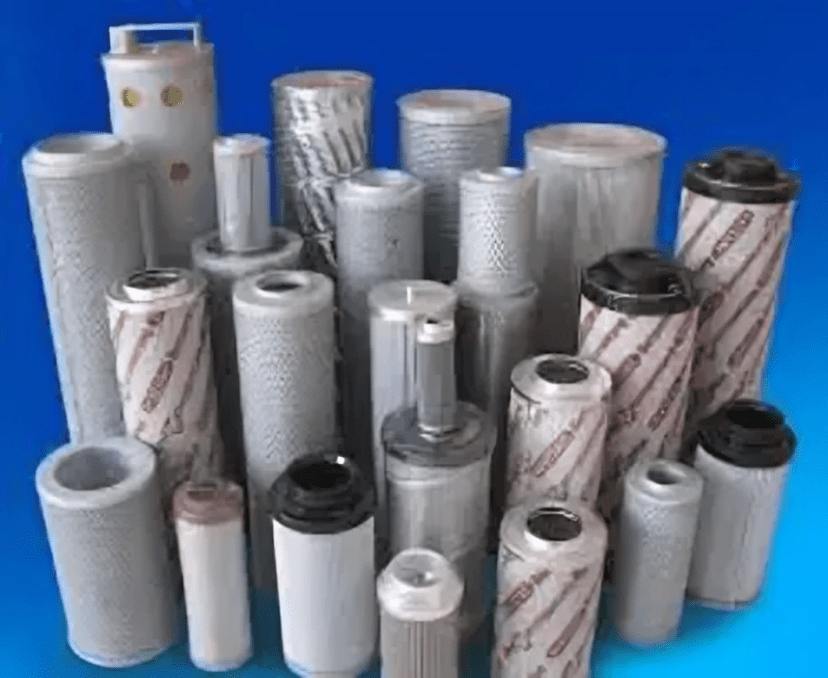
Hydraulic filters are critical components in heavy equipment, as they help remove contaminants and impurities from the hydraulic fluid. This ensures the fluid remains clean and the hydraulic system operates smoothly and efficiently.

They come in a variety of sizes and configurations to fit different makes/models of equipment. Common types include spin-on, in-line, and return line filters. Filter elements are typically made of pleated paper, wire mesh, or synthetic media to capture particles and debris. Filters should be changed regularly per the equipment manufacturer’s maintenance schedule, often every 250-500 hours of operation. Choosing the right filter is important – factors like flow rate, pressure rating, and micron rating need to match the hydraulic system requirements. Replacement filters are available from original equipment manufacturers (OEMs) as well as aftermarket suppliers. OEM filters are recommended to ensure compatibility. Proper filter installation and maintenance is critical to prevent contamination and protect the hydraulic components.

  • Filter Medium – Typically made of pleated paper, wire mesh, or synthetic materials to capture particles and contaminants.
  • Micron Rating – Specifies the size of particles the filter can remove, usually ranging from 10-40 microns.
  • Flow Capacity – Matched to the hydraulic system’s flow requirements, often 10-200 GPM.
  • Pressure Rating – Able to withstand the system’s operating pressure, usually 150-500 PSI.
  • Threaded Connections – Use standard NPT or JIC fittings for easy installation.
  • Bypass Valve – Allows fluid flow if the filter element becomes clogged.
  • Visual/Electronic Indicators – Show when the filter needs to be changed.
  • Hydraulic Machinery – Excavators, loaders, dozers, cranes, forklifts, etc.
  • Off-Highway Vehicles – Agricultural equipment, mining trucks, etc.
  • Industrial Hydraulic Systems – Presses, injection molding machines, mills, etc.
  • Mobile Equipment – Aerial lifts, backhoes, skid steers, etc.