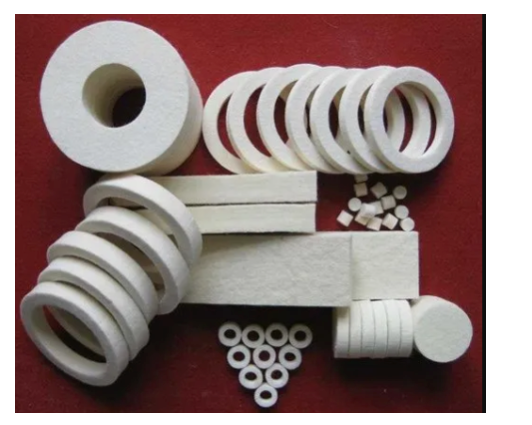
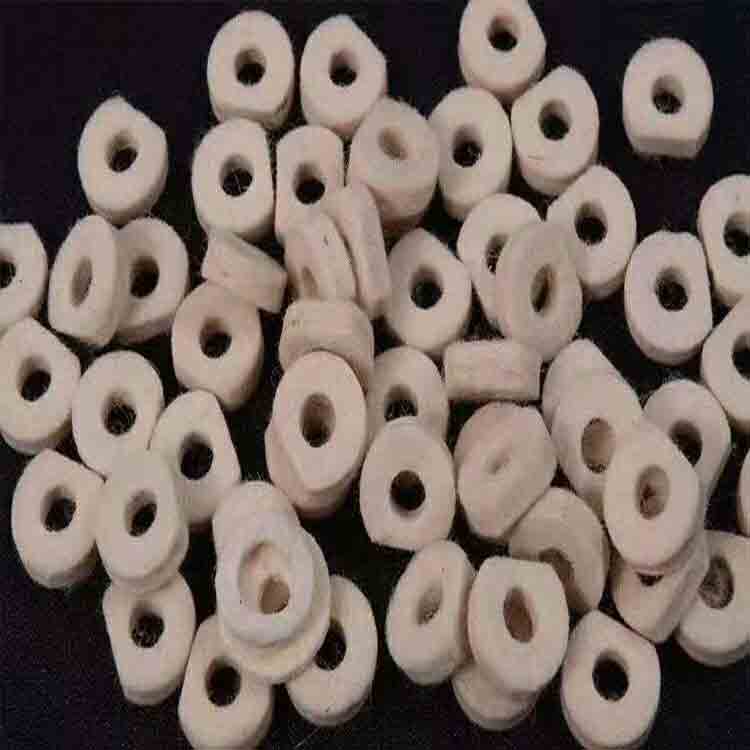
Felt Seals

Felt seals are a type of sealing mechanism used in bearings and machinery to prevent contamination and retain lubrication. They are known for their simplicity, cost-effectiveness, and capability to maintain a barrier against larger particles and retain lubricants within the bearing assembly.

Felt seals are usually produced by compressing layers of felt material to form a dense and compact structure. The design of the seal involves creating a shape that snugly fits the housing or the space where the seal is intended to be placed within the bearing assembly. To enhance their sealing ability, felt seals can be impregnated with lubricants or oils. This impregnation aids in retaining lubrication within the bearing, ensuring smooth operation by reducing friction between moving parts. 

  • Cost-Effective: Compared to more complex sealing mechanisms, felt seals are cost-effective and provide reliable performance.
  • Temperature Tolerance: Felt seals can handle both high and low temperatures.
  • Contaminant Exclusion: Felt seals are effective at blocking larger particles such as dust, dirt, and debris, preventing them from entering the bearing area. However, they may not offer the same level of protection against finer contaminants as more intricate seals like labyrinth or Teflon seals. 
  • Bearings: Felt seals are commonly used in bearing applications to prevent lubricant leakage and protect bearings from contaminants.
  • Shafts and Rotating Equipment: Felt seals are used to seal rotating shafts in pumps, motors, and other machinery.
  • Industrial Machinery: Felt seals find applications in various industrial equipment, including conveyors, mixers, and gearboxes.