Friction Bearing

Bearing friction refers to the friction that exists between the rotating shaft and the bearing that supports it. When a shaft rotates, it exerts a load (force) onto the bearing. The bearing, in turn, supports the shaft with a normal force, and a friction force arises between the bearing surface and the shaft surface.

Types of Bearings: Bearings can be broadly categorized into two main types:

  • Sliding Bearings: These bearings have surfaces that slide against each other. They include plain bearings, journal bearings, and thrust bearings.
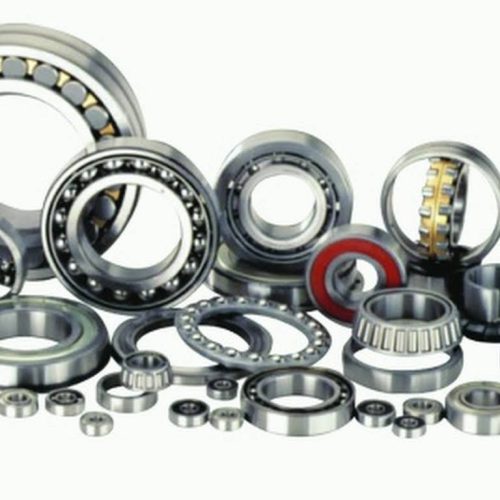
  • Anti-Friction Bearings: These bearings minimize friction by using rolling elements (such as balls or rollers) between the shaft and the bearing housing. Anti-friction bearings are commonly used due to their efficiency and durability.
  • Anti-friction bearings are designed to reduce friction and enhance efficiency.
  • They include various types, such as:
    • Ball Bearings: Use balls as rolling elements.
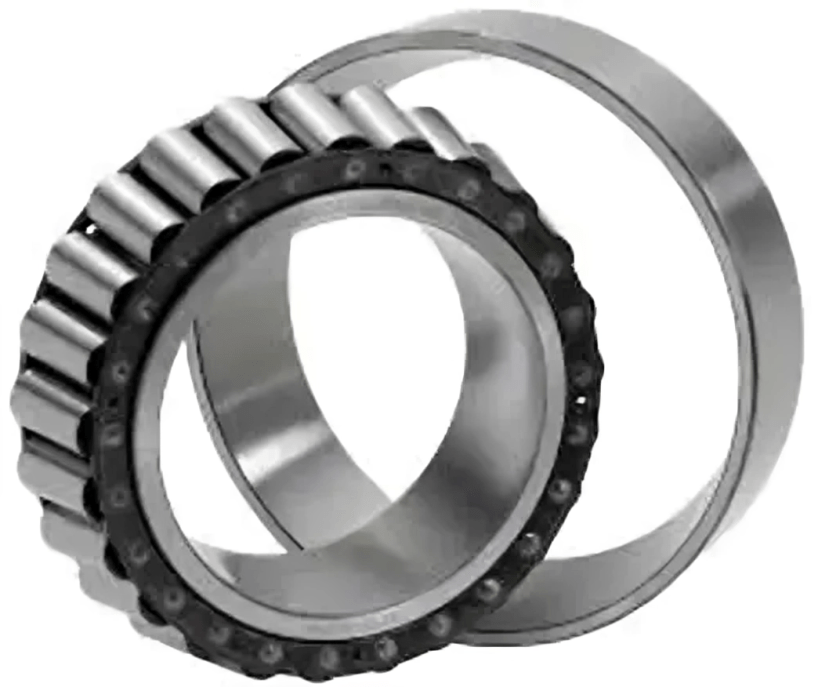
    • Roller Bearings: Use cylindrical or tapered rollers.
    • Needle Bearings: Use thin, long rollers.
    • Spherical Roller Bearings: Combine radial and axial load capacity.
    • Thrust Bearings: Handle axial loads.
    • Angular Contact Bearings: Support both radial and axial loads.
    • Full Complement Bearings: These have no cage and maximize the number of rolling elements carried by the bearing.

High-speed applications such
as crankshaft and camshaft..