
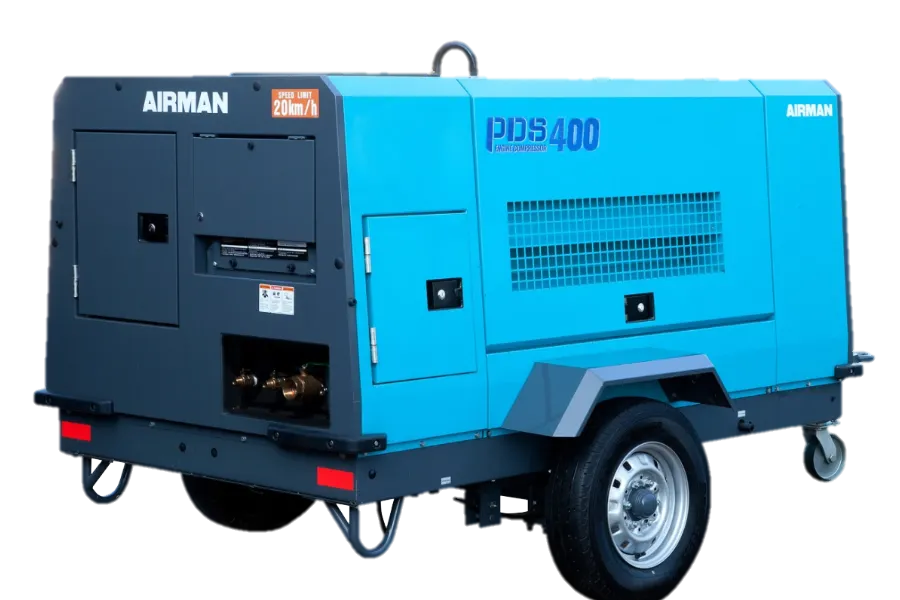
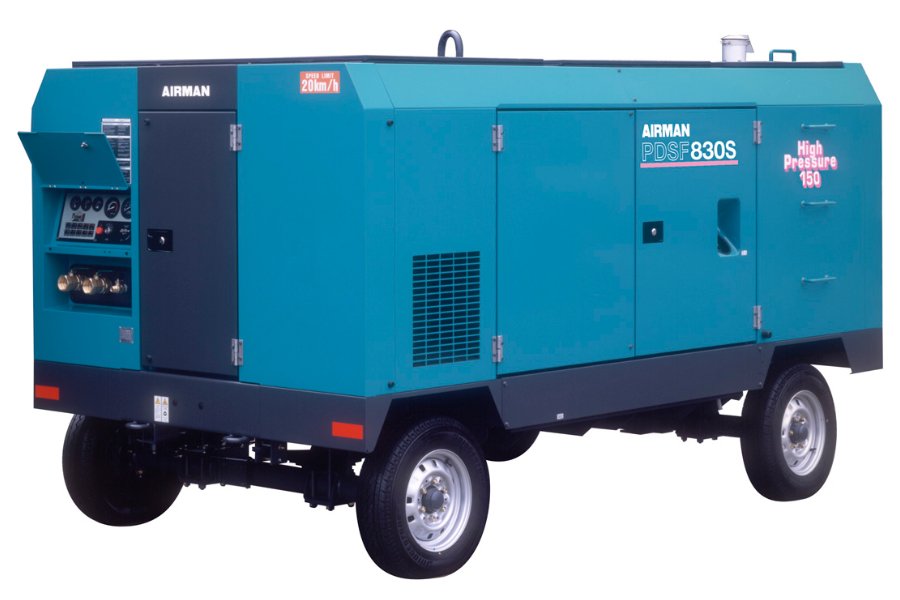
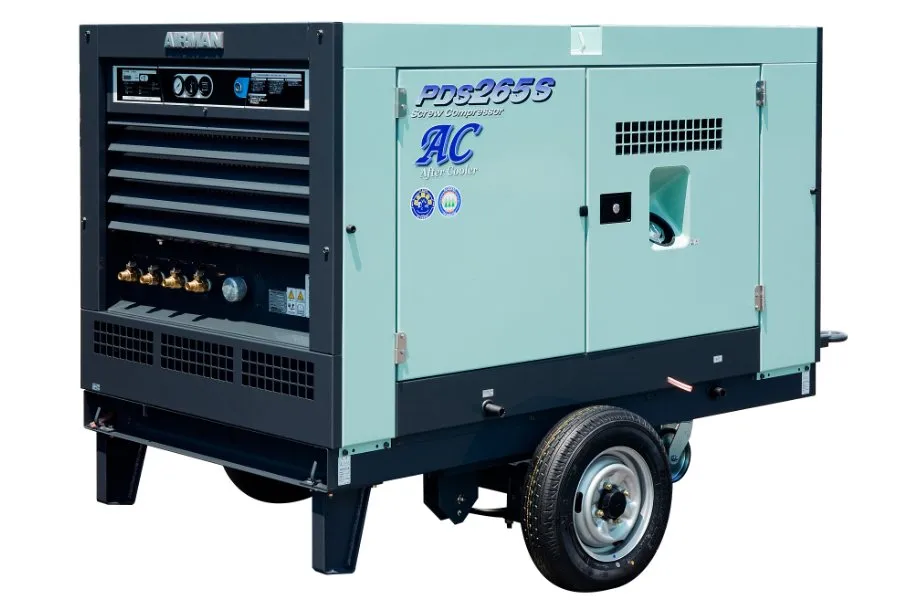
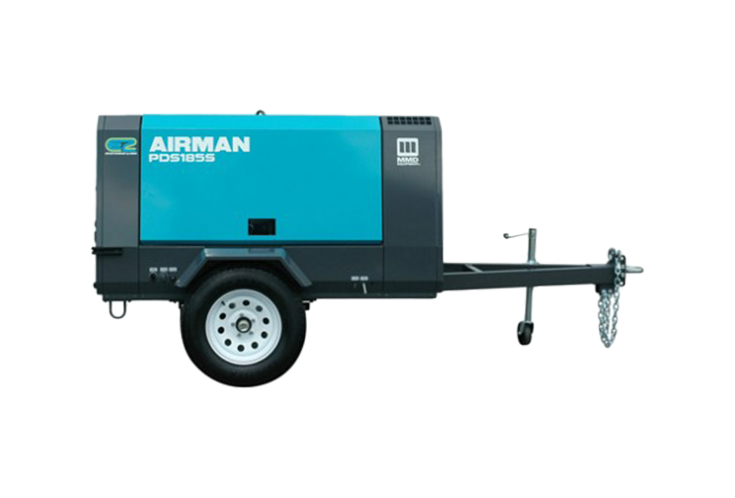
An air compressor takes energy from an external source (such as an electric motor or an internal combustion engine) and uses it to compress air. The compressed air is then stored in a storage tank. Think of this tank as a reservoir where the pressurized air is held until needed. By various methods (such as using pistons or rotary screws), the air compressor forces more and more air into the tank, increasing the pressure within it. When the tank’s pressure reaches a predetermined upper limit (engineered limit), the air compressor shuts off. At this point, the compressed air remains in the tank until it’s called into use. When you use the stored compressed air (for tasks like operating tools or machinery), the tank depressurizes, and the energy contained in the air is released. It’s like releasing a balloon—the kinetic energy of the air is harnessed for various applications. As you continue to use the compressed air, the tank pressure decreases. When it reaches a lower limit, the air compressor turns on again to re-pressurize the tank.

